I Stopped Looking at $30K Facial Platforms Once I Saw What the $11,000 DGI Could Do
If you’re comparing treatment devices right now, here’s the short version: the DermaFrac DGI gives the clinical presence, treatment comfort, and business model —without the $30k+ price tag, lease, or licensing fees.
If you’re a nurse, esthetician, or spa owner, you’ve seen the pitch.
Big-name facial systems. Big promises. Even bigger invoices.
And once you add the lease, licensing fees, and brand overhead, that “premium” machine can start draining profit fast.
That’s why I think the DermaFrac DGI deserves a serious look.
At $11,000, it sits in a completely different category financially than the $30k+ competitors. But what stands out to me is not just the lower entry point. It’s that it still looks and feels like a serious professional device.
This is not some tiny add-on that disappears in the room.
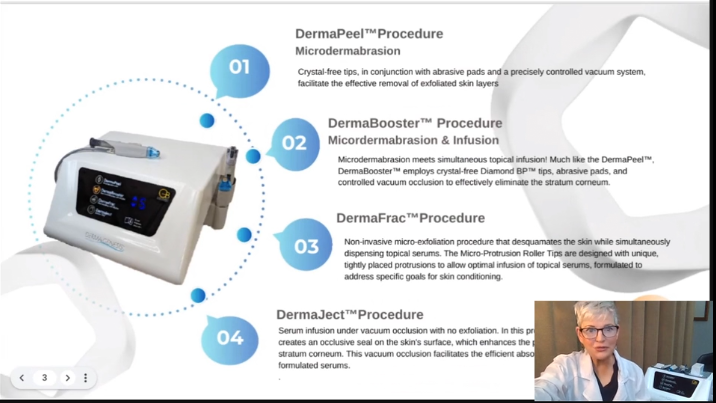
The DGI is a substantial table-top platform. It has presence. It looks impressive in a treatment space. It feels appropriate for a clinical practice or med-spa setting. For practitioners who want equipment that reflects the level of care they provide, that matters.
Here’s why I think it makes sense:
- $11,000 instead of $30k+
- No licensing fees
- No mandatory leases
- No numbing
- No downtime
- A strong fit for recurring memberships
That alone gets my attention.
But the real differentiator is the treatment itself.
Why the .25mm depth matters
A lot of facial platforms are built around surface-level glow... Hydrafacial, Glace, Glow2, OxygeneoThat can be great for a quick refresh. But if I’m investing in a device, I want something that supports better ingredient delivery and more meaningful treatment value.
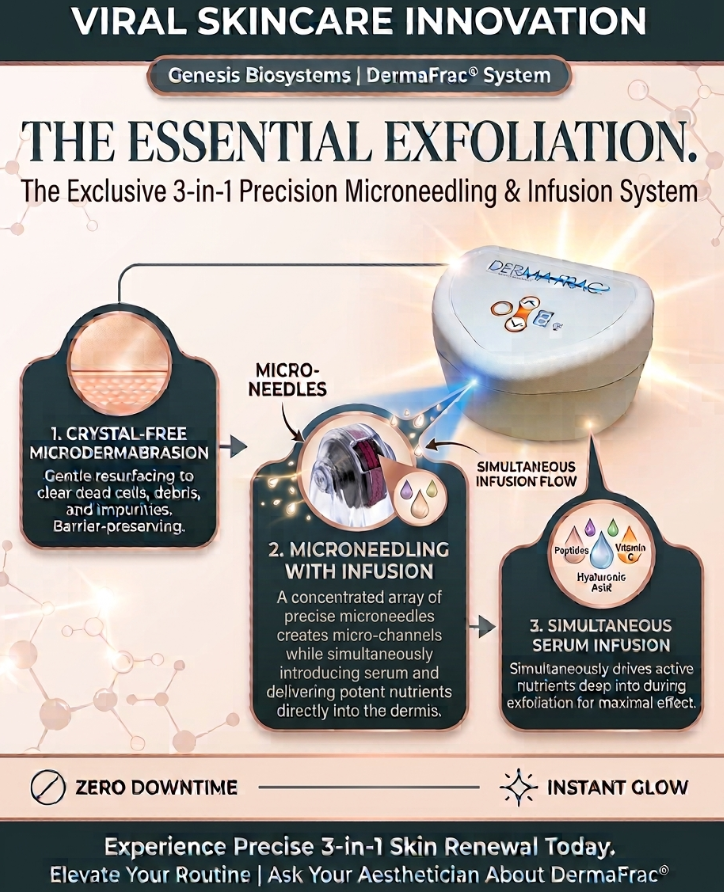
The DGI’s microchanneling handpiece works at .25mm, and that depth hits a very practical sweet spot.
It’s enough to create effective microchannels for serum infusion without pushing the treatment into a category that feels aggressive or intimidating for the client.
That matters in real practice.
Clients want results. But they also want comfort, convenience, and a reason to come back consistently.
With the DGI, I can position the treatment around:
- Hyperpigmentation support
- Fine line improvement
- Dehydrated skin
- Hair Rejuvenation
- Overall skin rejuvenation
It’s simple to explain. Easy to package. Easy to repeat.
Comfort is what makes this easy to sell
One of the biggest advantages here is how approachable the treatment is.
The DGI hits that sweet spot again:
- Painless
- No numbing required
- No downtime
That combination makes consultations easier.
It also makes rebooking easier.
When clients know they can come in, have a comfortable treatment, and go right back to their day, compliance goes up. And when compliance goes up, your treatment plans and membership models get stronger.
This is where memberships make sense
If you’re building recurring revenue, this is the kind of device I would want in the treatment room.
Why?
Because the treatment is efficient, comfortable, and easy for clients to say yes to on an ongoing basis.
That makes it ideal for monthly memberships.
It gives you a service that feels elevated and clinical without creating friction around pain, prep, or recovery time. And from a business standpoint, that matters just as much as the treatment outcome.
You can also read more about how DermaFrac compares to HydraFacial for your bottom line here.
The bottom line
I think too many practitioners assume they need a $30k+ platform to look established.
I don’t agree.
If a device delivers strong treatment value, looks professional in the room, supports memberships, and doesn’t trap you in ongoing fees, that is a smart buy.
The DermaFrac DGI checks those boxes.
You’re looking at:
- A substantial table-top device with real treatment-room presence
- A price point of $11,000
- The .25mm microchanneling sweet spot
- No numbing
- No downtime
- No licensing fees or leases
That’s a compelling setup for any practitioner who wants results and margin.
You can see the real-world results our providers are achieving and why more professionals are taking a second look.
If you’re evaluating what to add next, I’d look past the brand hype and focus on what actually works for your treatment room and your numbers.
Next steps:
- Explore the DermaFrac DGI and other equipment
- Shop our serum selection for the perfect infusion
- Learn the secrets to effective serum infusion
Sometimes the smartest move is not the loudest machine in the market. It’s the one that makes the most sense in practice.